A Clean Audit Is Not a Safe Version
Two days after a Critical Next.js RCE shipped, npm audit still called the affected version clean.
RoamingPigs Field Manual · Independent technical publication
Postmortems, contrarian takes, and the patterns that actually hold up in production. Written by Cisco Caceres. Navy veteran. MSNBC CMS in 1995. ECHO push platform at 3,000 instances in 2014. Building Abundera now.
Latest
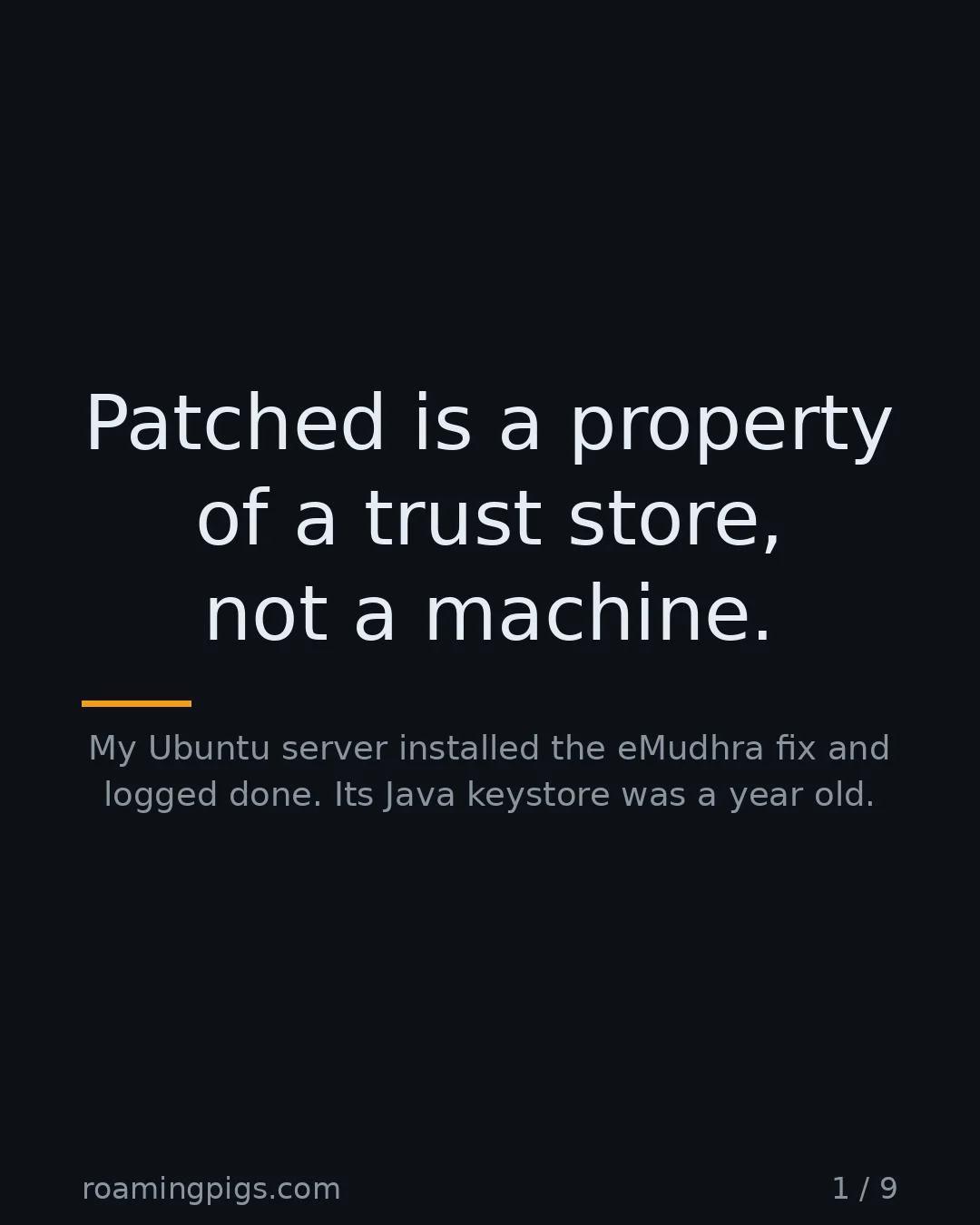
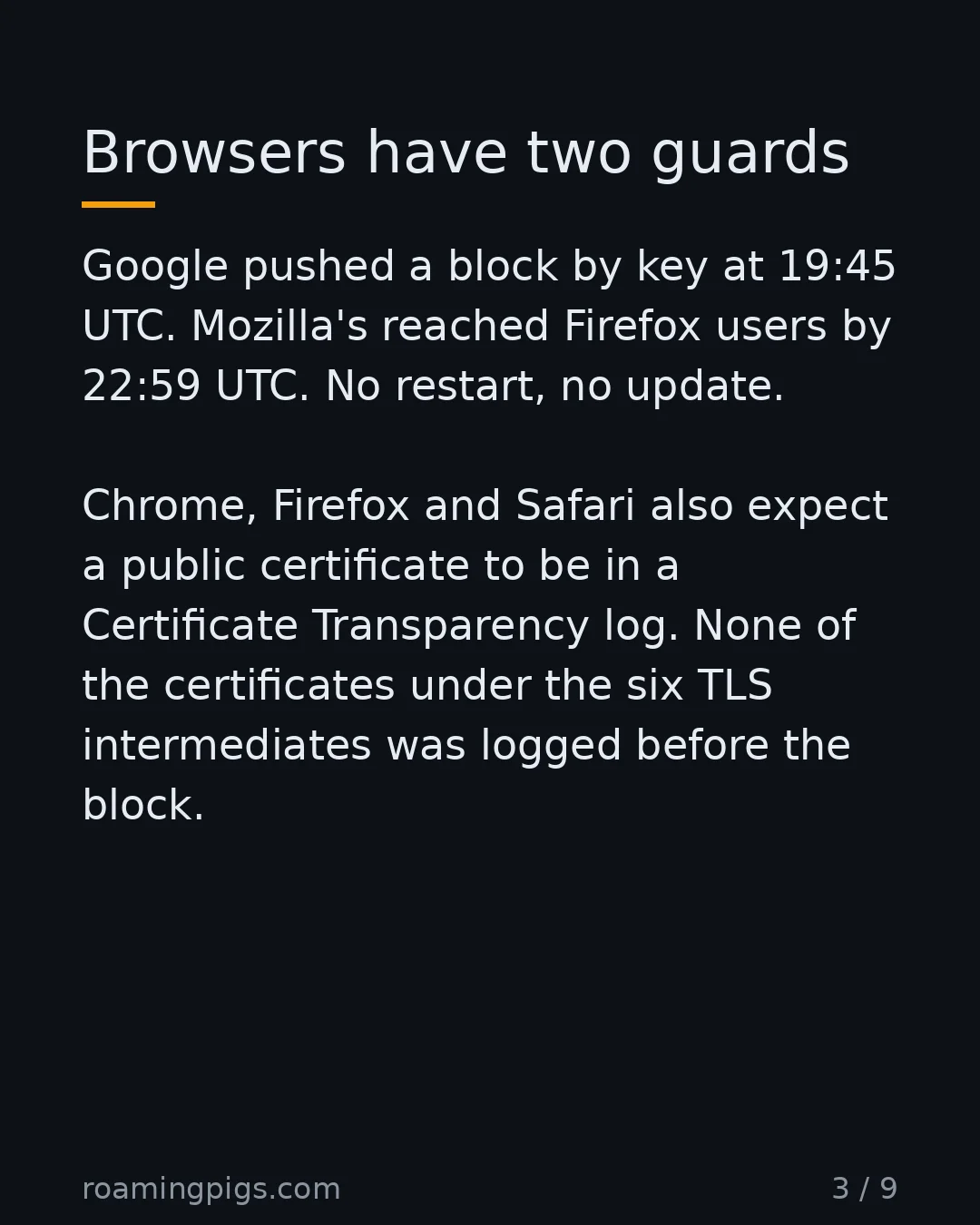
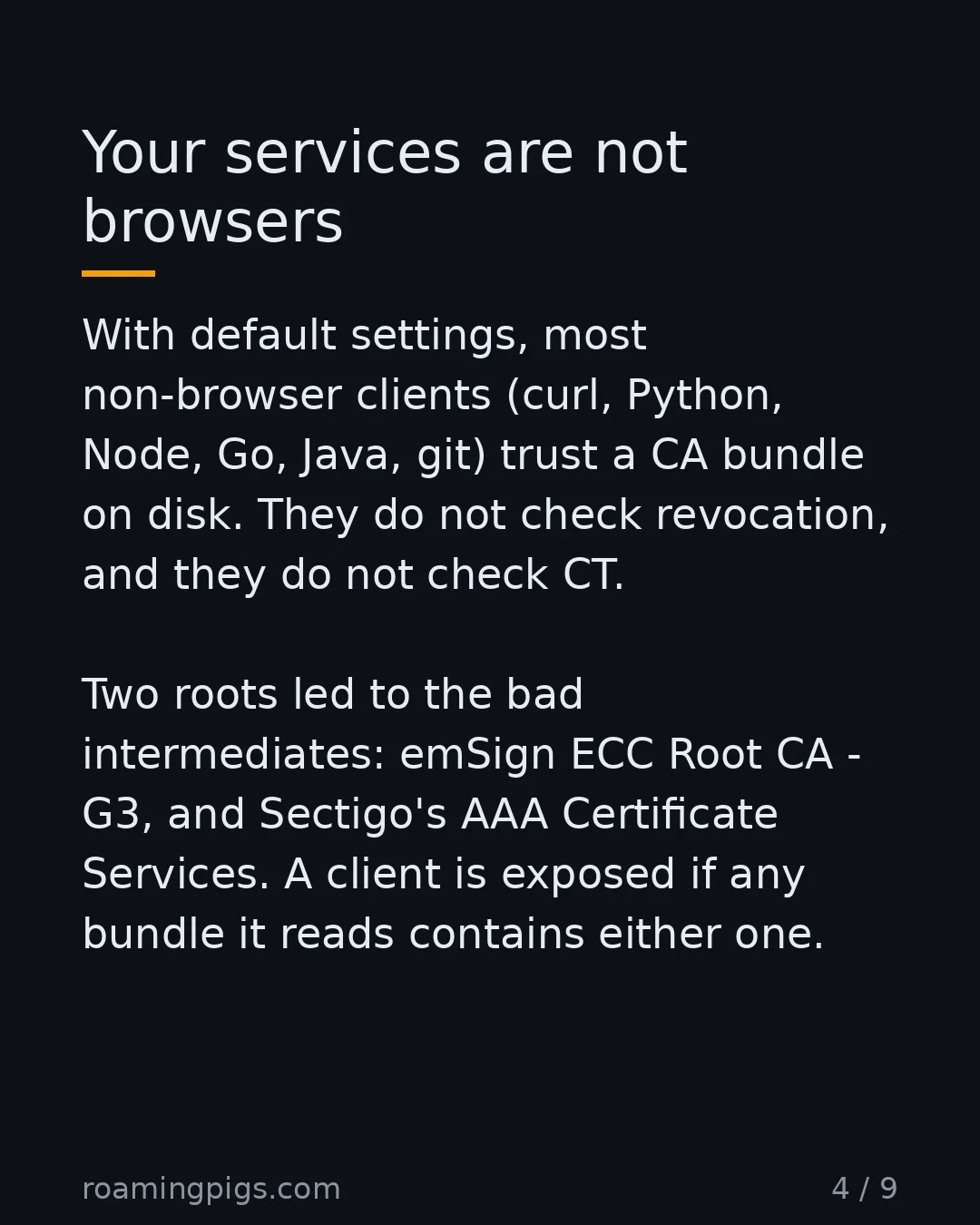
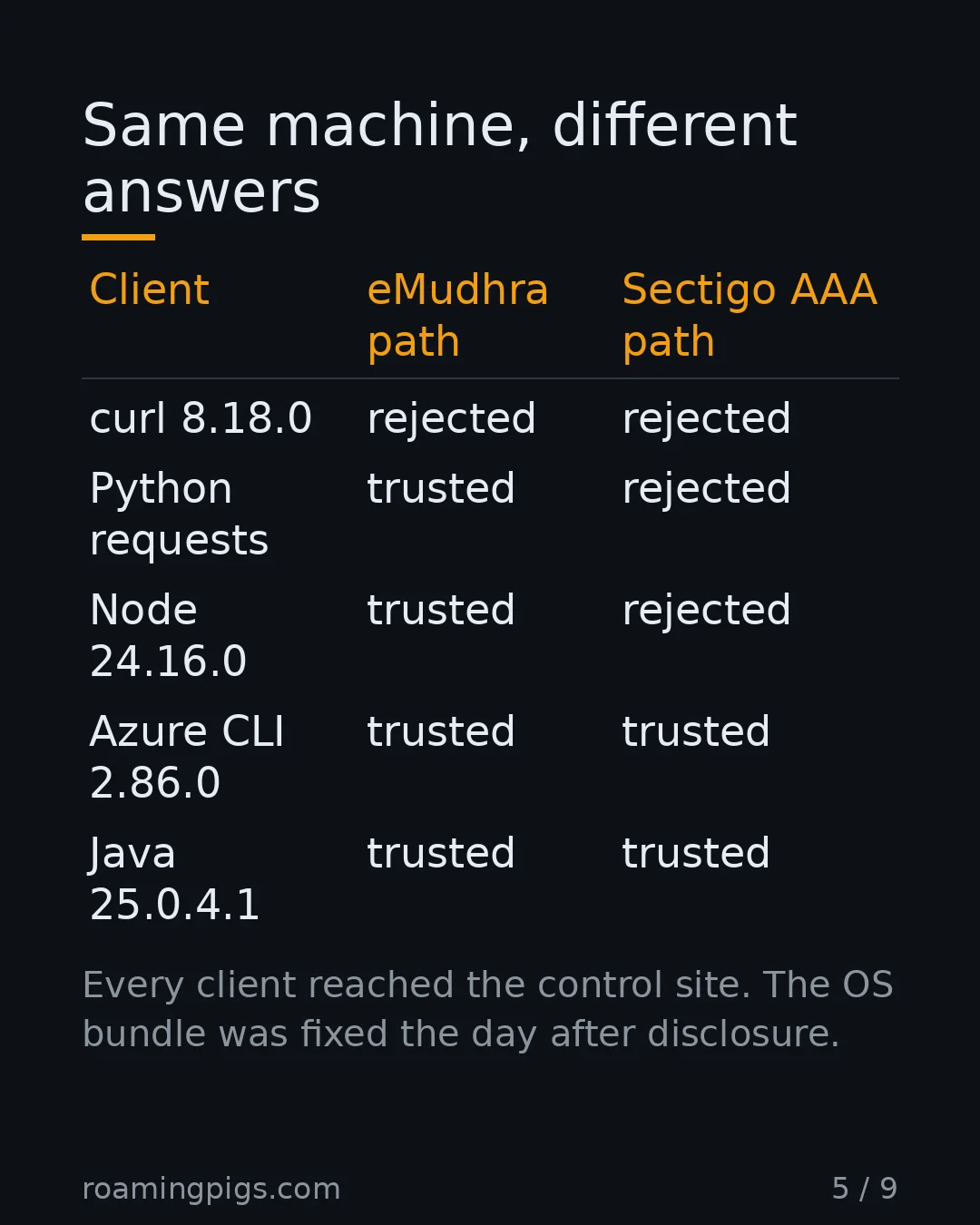
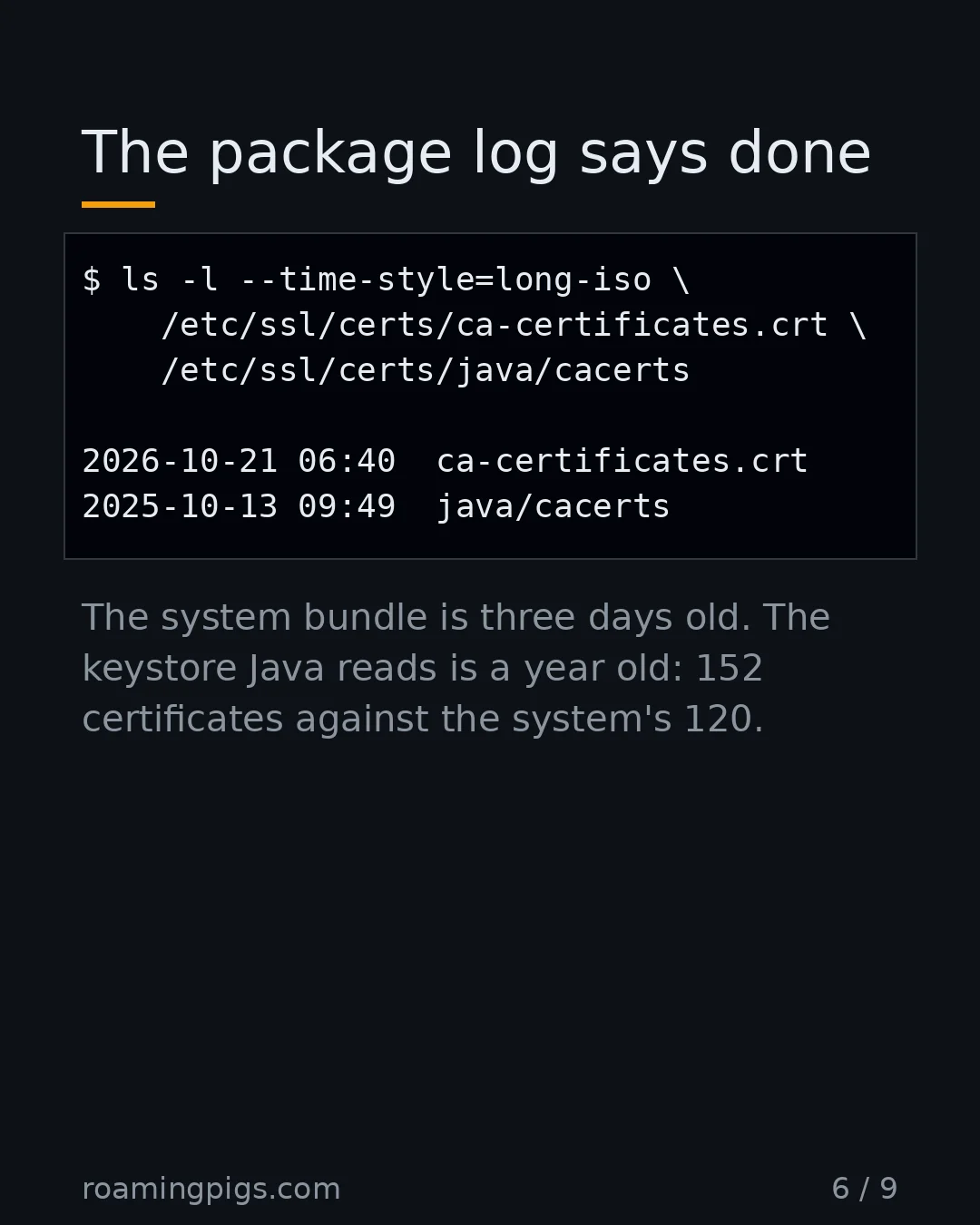
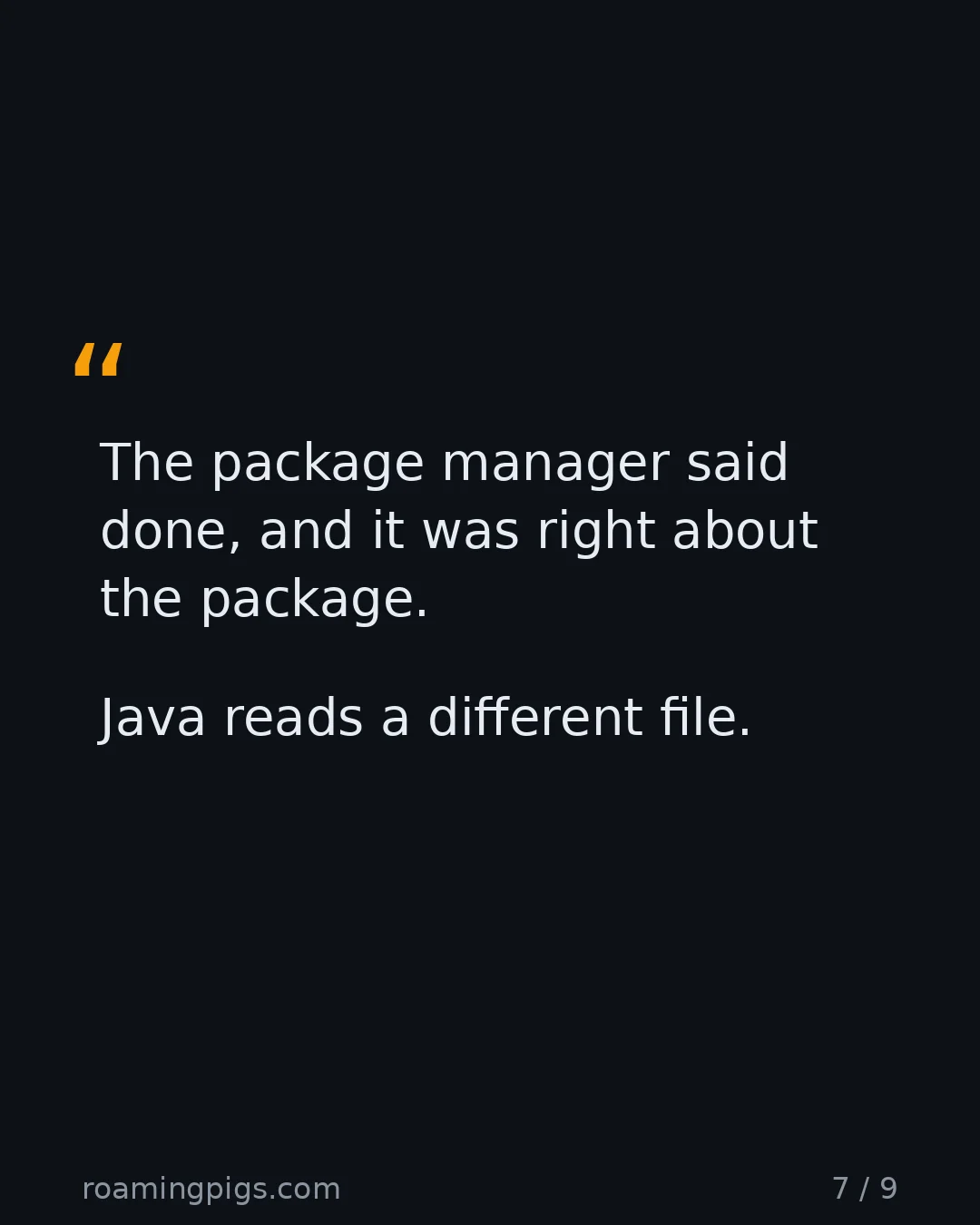
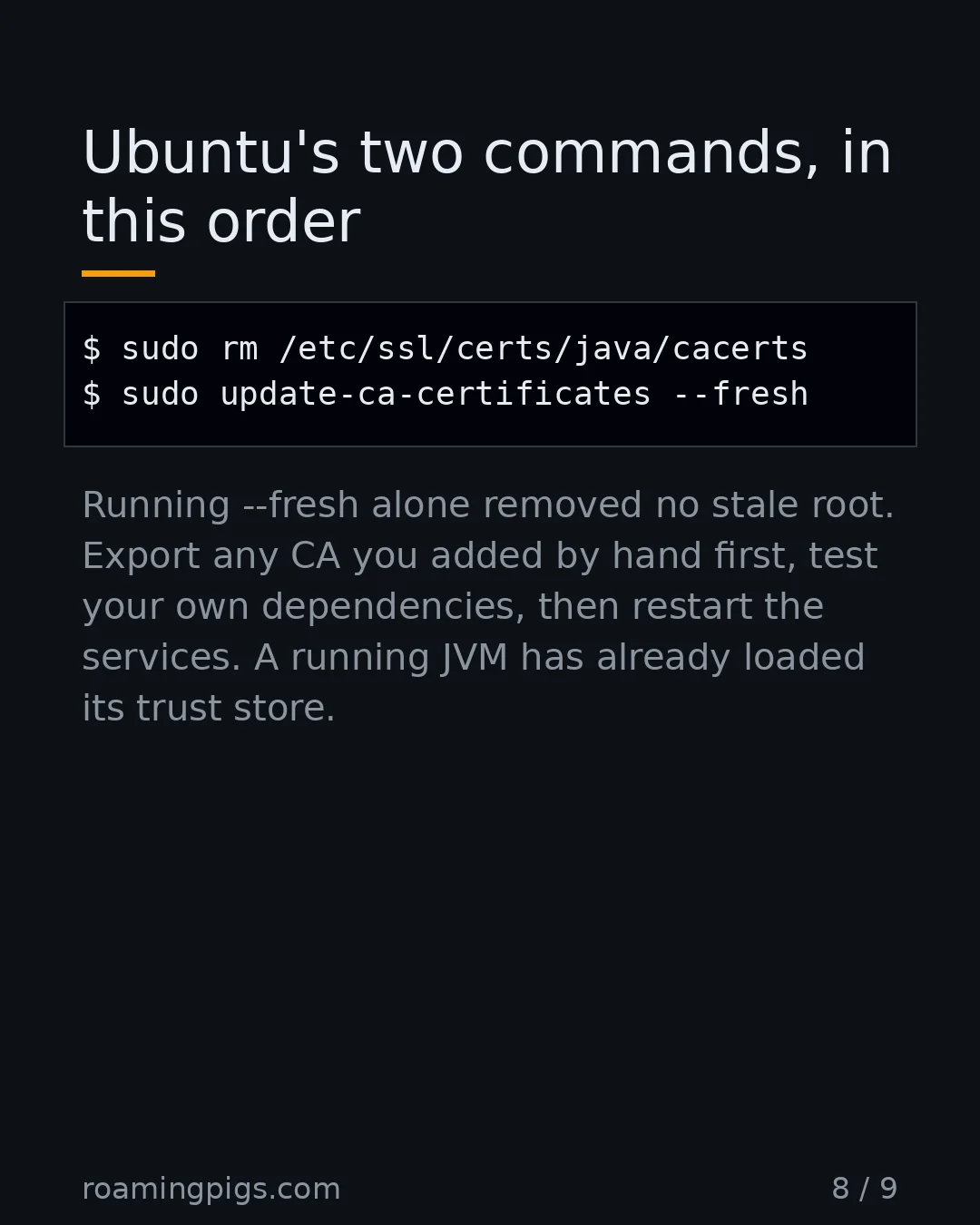
My Ubuntu server installed the eMudhra fix and said done. Its Java keystore had not changed in a year.
Two days after a Critical Next.js RCE shipped, npm audit still called the affected version clean.
Langflow's critical RCE was marked fixed in 1.9.0. A second advisory says that only locked the front door.
Attackers keep shipping malicious npm releases with valid provenance. I tried to break the popular fix, and it broke.
Bitget's forensic reports describe a tool that filled in its own risk checks. The first fix I tried broke.
A per-service p99 describes one backend. A request that fans out to a hundred of them meets the slowest of the hundred.
A $1.37 billion half-year loss became a $141.8 million margin in one S-1 table. How to read any such bridge.
These articles were revised after publication. They keep their original dates in the archive and the feed; this is where the revisions surface.
Scoped acoustic claims and added a registered front-end and context evaluation protocol; no new recognizer measurements.
Distinguished domain examples from measured outputs and clarified held-out adaptation and task-acceptance evaluation; no new model results.
Added a reproducible word-error scorer, evaluation registry and procurement examples, and discussed the limited third-party ASR comparison. The benchmark was not rerun for this revision.
Scoped deployment examples, labelled the scorecard as editorial guidance and added a whole-pipeline pilot protocol; no measured deployment sequence is claimed.
One email Sunday morning. The week's contrarian tech essay, in your inbox.
Double opt-in. One-click unsubscribe at the bottom of every issue.

Editor and publisher
His first program went into an Altair through front-panel switches in the late 1970s. Served aboard the USS Missouri through Desert Shield and Desert Storm. Built the CMS behind MSNBC in the 1990s, ran 60 servers in his basement before AWS existed, and scaled a push platform to 3,000 cloud instances in the 2010s. Built voice AI for federal agencies in the 2020s. The Field Manual is independent of his current ventures, all of which are listed in disclosures.